
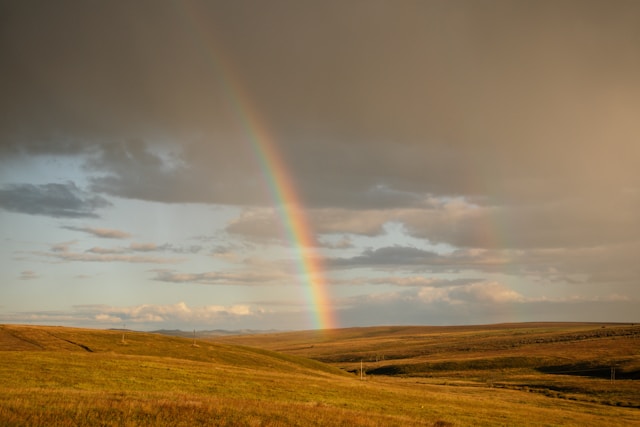
What are glimmers?
The term “glimmers” was coined by Deb Dana, a licensed clinical social worker who specialises in complex trauma. Glimmers are small, subtle cues of safety and connection. Rather than grand experiences, glimmers are tiny, seemingly insignificant moments when you or your child feels a sense of joy, pleasure, achievement, gratitude, or peace.
These fleeting moments are often easy to overlook, but they can have a powerful effect on the nervous system. In contrast to triggers, which activate stress or threat responses, glimmers invite a sense of calm, grounding, and openness.
“Glimmers are tiny moments of goodness that help us remember that regulation, safety and connection is also possible”.
Deb Dana
Glimmers during burnout
For your child, these micromoments gently signal to their nervous system that they are OK. Their effect is slow and builds over time. Noticing glimmers also helps your mental health. Your glimmers may look very different to your child’s. You’ll likely focus on moments that provide evidence of burnout recovery. A parent can go far on such powerful moments of hope.
For most people, examples of glimmers might include spotting a rainbow, stopping to smell some flowers, or enjoying a compliment on their new haircut. However, when your child is in burnout, few others will be able to appreciate your glimmers. They likely take such interactions with their children for granted and will fail to understand how important these simple moments are for you.
Try not to take their apathy personally. Burnout resets your expectations and changes your perception. Anything that signals your child is experiencing even the smallest moments of calm and joy becomes precious.
Real-life examples of glimmers
“After 18 months of barely leaving the house, my daughter asked if she could go to the local shop for a slushie. She lost her nerve when we got there, so she sat in the car while I popped in. But her just asking to go was a huge glimmer for me – she felt safe enough and confident enough to even consider it. I was so proud of her – she got her slushie, and I got a greatly appreciated dose of hope.”
“For the first few months of burnout, my daughter did nothing but sleep, watch TV on her iPad, and play Minecraft on a private server in peaceful mode. Then, one day, she asked if she could download a digital drawing app – Adobe Fresco. It was months before she showed us any drawings, but I knew she was using it because I could see it on my parental screen time controls.”
“In deep burnout, my girl would only wear an oodie. We had several identical garments, so I could at least wash them. If we had to go to appointments, she would wear her oodie (hood up) and slippers. One day, we needed to go for a welfare check, and she decided to get dressed – top, trousers, socks, shoes, the works. Fortunately, I’d bought her some clothes in the next size up before burnout. Otherwise, she would have had nothing that fit!”
The “green shoots” of recovery
Somewhere along the way, you’ll start to notice bigger changes for the better. The “green shoots” of burnout recovery are small, fragile steps forward. At first, they will be few and far between. Perhaps your child feels able to visit a shop for the first time in a year. Or, maybe they eat a food they used to enjoy but haven’t been able to stomach since burnout began.
Each green shoot is a small sign of progress. It may be a one-off, or it may happen once and then not again for some time. Rarely does it become the norm overnight. It can be tempting to grasp onto a green shoot and make too much of it, too quickly. But they are extremely fragile. It’s wise to be patient and let them grow at their own pace. It’s all too easy to crush a green shoot with praise or overenthusiasm.
Slowly, you’ll see more green shoots coming through. As recovery progresses, they take root more quickly and become a regular part of your child’s life. But burnout recovery is never linear. Setbacks should be expected. Greet any backwards steps with acceptance and understanding, as they are inevitable.
Again, few people will be able to understand or share your enthusiasm for the green shoots you describe. Neither will they understand why your young person can’t just be expected to repeat the performance every time.
Real-life examples of green shoots
“My daughter had barely left her bedroom for six months when she asked if she could watch a bit of TV in the lounge with me. She managed 2 minutes on the sofa before becoming overwhelmed and retreating to the safety of her bedroom. But a few days later, she asked again. We managed 5 minutes before it got too much for her and she scarpered.
It took a few months, but she gradually began spending more time in the lounge with us. At first, she would only allow one family member to stay in the room. If two people spoke at once, she became overwhelmed and had to leave. It took a year of practise and reassurance, but now we can watch TV as a family again. It will be a long time before she has the self-confidence to sit in the lounge alone, though.”
“My daughter had been in burnout for over 12 months and had barely spoken to her sibling in all that time. For her little sister, it was almost like a bereavement. She struggled to understand why her sister’s bedroom door was always closed. It was one of the hardest things about burnout in the early days, seeing our little one struggle to process this enormous change.
Then, one day, my eldest came out of her room and knocked on her sister’s door. She asked if she wanted to see the house she’d built in Minecraft. They played for two hours. Hearing them laughing together after so long was the sweetest sound I’ve ever heard.”
“During burnout, my child’s diet became very restricted. She was always a fussy eater, but her food intake became a major concern in the days of deep burnout.
I was especially worried about her calcium level. She couldn’t stomach anything dairy and would rarely take supplements. Then one day she asked for a glass of milk. Now she regularly drinks milk, milkshakes, cups of tea, and eats ice cream. It’s such a weight off my mind.”
When green shoots turn into breakthroughs
Eventually, your young person will start to show strong signs of recovery from burnout. They will have the energy and confidence to face challenges that have been insurmountable for so long.
A breakthrough happens when your child is ready. It should be their choice whether to attempt it, and they should have the option to step back and wait longer if they prefer. There should be no pressure, no matter how much money you’ve spent setting up the opportunity.
Whether something counts as a breakthrough will be totally individual to your child. Every young person’s fears and needs are different, so what is challenging for one may be easy for another. A breakthrough might be going to an alternative provision for the first time. Or, going to watch a movie at the cinema. Or, going back to football practice after 18 months away.
To those without knowledge of burnout, your child’s achievements might seem like ordinary, everyday achievements. But you know how hard their journey to get there has been. There is nothing ordinary about recovering from burnout.
Real-life examples of breakthroughs
“My daughter has been in burnout for over two-and-a-half years. Last year, she asked to go on her favourite family day out. We lasted 10 minutes, then had to come home. She felt terrible about it for weeks afterwards. A few months ago, she started asking to visit a small local theme park that she used to enjoy. A glimmer in itself. We knew a typical weekend visit to the park would be impossible with the crowds, noise and queues. So, when we saw that The A World was hosting a special autism-friendly takeover of the park, we immediately booked tickets.
She slept poorly the week before the event, struggling to fall asleep and then waking early. She was clearly worrying about it, which also reduced her appetite and ability to focus. She needed lots of extra co-regulation to relax, sleep, engage in self care, and eat. I started to think it was a bad idea. Perhaps it was too much, too soon? But she said she really wanted to try.
When the big day came, she needed lots of reassurance for the first hour, but after a few rides, she settled into it. She tucked into a pizza and a slushie. Then she started going on rides just with her sister. Then by herself. Watching her grow in confidence throughout the day was amazing! She enjoyed herself so much (and so did her sister). In the week that followed, her battery was completely flat, and she needed a lot of help with everything, but it was worth it. She now knows she can do it.
This was way more than a green shoot. It was a massive breakthrough. During the darkest days of burnout, I didn’t think we’d ever have a family day out again. It seemed impossible. But we’ve trusted the guidance of autistic advocates with lived experience, such as Viv Dawes and Andy Smith, and now she is very much on the road to recovery.”
“There was no way that my daughter could cope with a visit to our usual dentist (as nice as they are). The environment is just too bright and clinical. So I asked them to refer her to the community dentist in the hope that this service might be accessible. A few months later, we received an appointment letter.
I phoned them and explained the situation. They agreed to come and meet her in the car park, so she could decide if they were “safe”. After a 10-minute chat through the car window, she agreed to visit the clinic. They showed her around and asked if they could take a look in her mouth. She said, “No, not today. But maybe next time.”
We arranged another appointment. This time she walked straight into the building, sat down in the chair and opened wide. Surprisingly, her teeth were OK.
We had to arrange another appointment at a different centre for an X-ray of her teeth – they wanted to use the fancy machine that doesn’t touch you. Again, she walked right in, followed their instructions, and had her X-ray.
This was a year ago. She’s still recovering from burnout, but I’m reasonably confident that she’ll sail through her next appointment with them in a few weeks’ time.”
Burnout recovery is non-linear
Burnout recovery doesn’t happen in a straight line. It doesn’t have a predictable timeframe. And just because you’re seeing glimmers, green shoots and breakthroughs doesn’t mean you’re nearing the end of the journey. Burnout recovery can take years.
Burnout is like the ocean. It is overwhelming, vast, and often uncontrollable. There may be times when you and your child experience plain sailing, and other times when your young person seems to have been suddenly swept away by the currents of stress. Sadly, you cannot expect consistent progress – you are at the mercy of burnout’s tides.
A brief overview of a real-life burnout journey
My son Charles, now 21, has been in burnout for three years. In hindsight, the triggers slowly accumulated from the start of secondary school, with more expectations and demands, along with puberty, the pandemic, losing a grandad, and medical conditions. No one picked up on this, as no one is trained to. There was no awareness, understanding, or support.
On the slow path to recovery, glimmers are both a lifeline and a cruel frustration. Nothing is linear. There are no professionals to guide you. The uncertainty is crippling.
Charles has engaged in activities in some capacity from the start of burnout. Some of the things we gently encouraged were because we thought we were doing the right thing. But now we know they hindered recovery.
Once we dropped expectations and demands, following low-demand parenting, the glimmers seemed to be very few. My son also lost his beloved pet – his coregulator, his coping mechanism – in the middle of chronic burnout.
Slowly, glimmers are surfacing. Little green shoots may appear again much later, or they may never appear again. Or they may appear differently than previously.
With our journey, there is no consistent progress.
From the beginning of burnout, our glimmers and green shoots have been:
- Engaging more with friends online and outside
- Eating downstairs occasionally
- Cooking for himself
- Driving occasionally
- Engaging with a safe circle of friends
- Engaging online with two mentors (when capacity and sleep patterns allow)
Over the last few months, we have also seen:
- Curiosity around new foods (though no engagement as yet)
- Requesting hair gel for a night out
- Paying for petrol at the kiosk
- Visiting an old favourite cafe
- Requesting a hygienist appointment (brushing teeth is the only real issue with self-care)
- Talking about wanting to live independently, having his own flat
- Booking a festival with friends and staying away from home this summer
What world lies beyond that stormy sea I do not know, but every ocean has a distant shore, and I shall reach it.
Cesare Pavese
First published:
Last updated:
 Autistic Burnout - Family Stories
Leave a comment